Selecting Trenching Equipment for Different Soil Conditions
Key Takeaways
- Maintenance standards
- Safe operation
- Field inspection guidelines
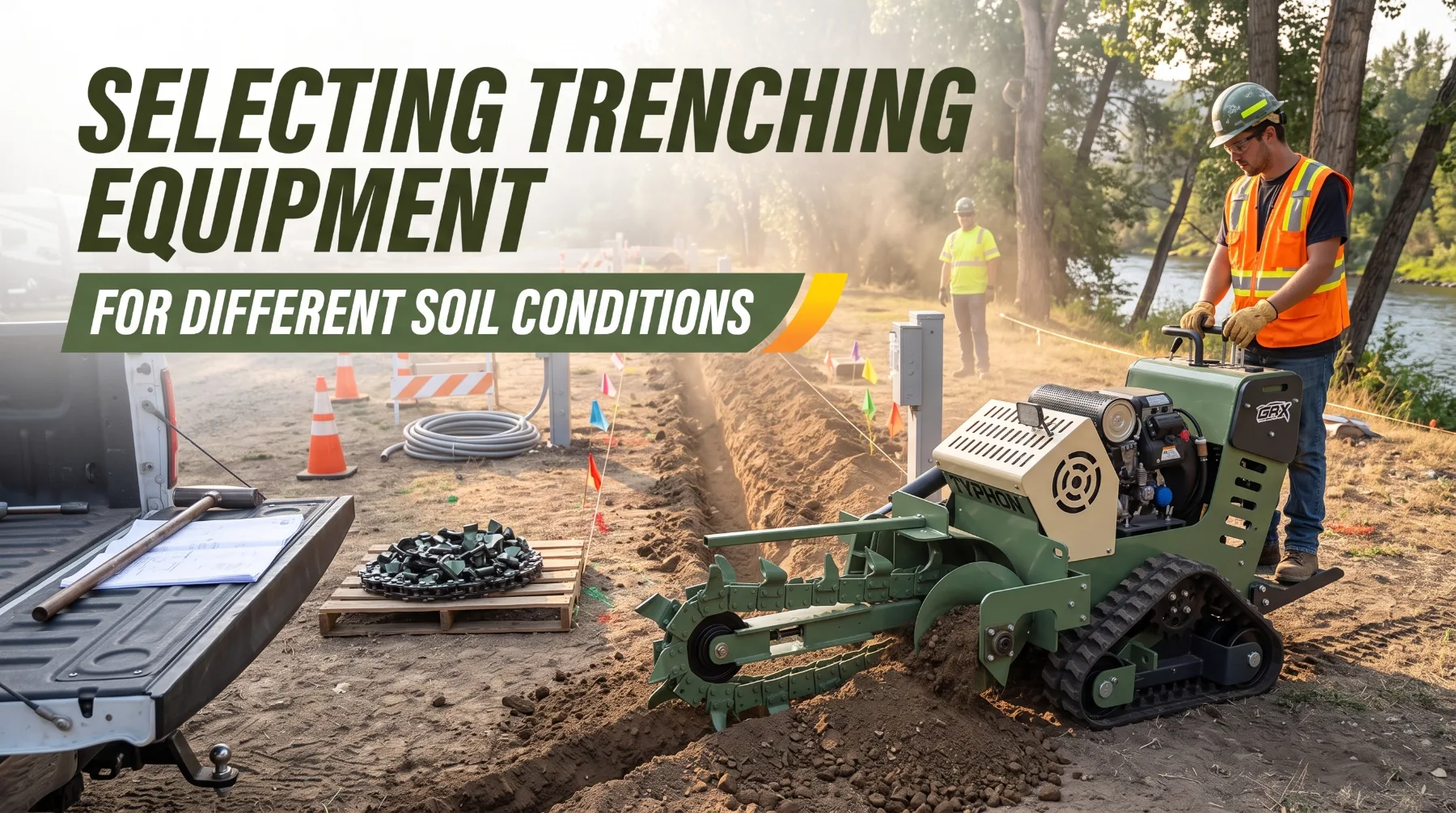
Ground conditions can change significantly across a single trenching project, affecting cutting speed, trench quality, and equipment reliability. Loose sand may collapse into an open cut, wet clay can cling to the chain and reduce traction, and fractured sandstone can quickly wear standard cutting teeth. Using one machine configuration across every section can increase downtime, repair costs, and delays to underground utility installation.
Equipment selection depends on soil composition, moisture, rock content, required trench dimensions, and available working space. Standard digging chains suit many softer soils, while combination chains or rock-rated cutting systems may be more appropriate for mixed ground and fractured stone. Machine size also matters when access is restricted, and loose or unstable soil may require prompt conduit placement, suitable trench protection, or other measures based on site conditions.
A site assessment should identify changes in ground material along the planned route and match each section to suitable equipment and cutting components. Operators should adjust travel speed to cutting resistance, avoid forcing a stalled chain, and monitor teeth, drive components, and chain tension for signs of excessive wear. Coordinating excavation with conduit installation and appropriate trench safety measures helps maintain production while reducing rework across varied terrain.
Soil Type and Cutting Resistance
Every trencher works against the ground directly in front of its chain. Soil composition and compaction determine how easily the cutting system penetrates the ground and carries excavated material out of the trench. A machine that moves quickly through one type of soil may slow considerably or stall in another.
Sand and sandy loam generally offer little cutting resistance. The teeth loosen the material easily, and the spoil auger moves it aside without excessive strain. The main challenge is keeping the trench open. Loose sand has little cohesion, so trench walls may slough or collapse after the chain passes, especially in dry conditions or deeper cuts.
Clay holds together more readily, which can help trench walls remain stable. However, it can place greater demands on the equipment. Moist clay cuts relatively easily but may stick to the chain, teeth, boom, and auger, increasing weight and drag with each rotation. Dry, hard clay can resist penetration almost like soft rock. Conditions may change significantly as moisture levels vary.
Compacted ground, including old roadbeds, driveways, construction haul routes, and engineered fill, resists tooth penetration because repeated traffic and equipment use have pressed the material tightly together. Cutting through these surfaces may require sharper, more aggressive teeth, a slower operating pace, and a trencher capable of maintaining steady power under sustained load.
Rocky material, including gravel, cobbles, caliche, fractured rock, and solid ledge, places heavy demands on the cutting system. Coarse material accelerates tooth wear and creates shock loads when teeth strike stones. Cobbles may become wedged in the chain or push the cut away from its intended line. Solid rock may exceed the capability of a standard chain trencher, requiring a rock-rated chain, a rock wheel, or another excavation method.
Tree roots and buried obstructions can also interrupt trenching. Roots may wrap around the teeth and slow the chain, while old concrete, abandoned pipes, wire, and construction debris can stop the cutting system unexpectedly. These hazards are common around mature trees, former building pads, and older developments, making a careful site assessment important before excavation begins.
Soil conditions rarely remain consistent along an entire trench line. A 500-foot run may cross sand, clay, and rock within a few hundred feet, as the RV park crew discovered. Probe the route at regular intervals, review available soil reports and site plans, and look for signs of old roads, fill, and rock outcrops. The most demanding section often determines the machine and cutting system required for the entire job.
Key takeaway: Loose sand, clay, compacted ground, rock, and roots each create different cutting resistance, so assess soil along the full trench line and let the toughest section guide your equipment choice.
Matching the Cutting System to the Ground
A trencher's cutting system determines how effectively it handles different soil conditions. Selecting suitable teeth and chains helps improve cutting performance, reduce wear, and maintain productivity across the jobsite.

Shark and Frost Teeth: Designed for firmer ground, compacted soil, hard clay, and frozen ground where stronger penetration is needed.
Carbide-Tipped Rock Teeth: Provide greater wear resistance in abrasive materials such as gravel, cobbles, and fractured rock.
Combination Chains: Use different tooth styles to handle changing soil conditions without frequently switching the entire cutting chain.
Specialized Cutting Systems: Rock wheels and rock saws may be more effective for extensive solid-rock excavation. Consider chain pitch, boom design, and spoil removal when selecting the system.
Key takeaway: Cup teeth suit soft soil, aggressive teeth suit compacted ground, and carbide teeth suit rock, so choose a chain and tooth pattern recommended by the manufacturer for the soil and obstructions you expect.
Trench Depth and Width Requirements
The installation determines the required trench dimensions, which helps narrow down the machines suitable for the job. Electrical conduit, water lines, irrigation laterals, drainage pipes, and fiber optic cables each have depth and width requirements established by codes, utility standards, or project specifications. The trencher must reach the required depth and cut the correct width while maintaining control and productivity under actual ground conditions.
Every trencher has a maximum digging depth determined by its boom length. Choose a machine that can reach the specified depth with some capacity to spare. Operating at the absolute maximum depth on every pass can reduce control, increase strain, and leave little room for grade changes along the route. Deeper trenches also require the chain to carry spoil farther, increasing the demands on the cutting system.
Trench width depends on the chain and tooth configuration. A correctly sized chain cuts the required width in one pass. Using a wider chain than necessary removes excess soil, increases backfilling and surface restoration work, and consumes more power along the trench. A chain that is too narrow may require a second pass or leave insufficient space for the pipe and bedding material.
Machine size should match the overall workload. Small walk-behind trenchers typically handle shallow, narrow trenches for irrigation, low-voltage lighting, and short service runs. Ride-on and larger dedicated trenchers are better suited to deeper, wider trenches and longer projects. Attachments for skid steers, compact track loaders, and mini excavators offer additional options, depending on the host machine's hydraulic capability. Consider the full project scope rather than selecting equipment based only on the first few hundred feet.
Trench dimensions and soil conditions must be evaluated together. A narrow, shallow trench through cobbly clay can demand more power than a deeper trench through loose sand. Confirm that the machine can achieve the specified depth and width in the actual soil, rather than relying solely on its maximum ratings under ideal conditions. Manufacturer specifications, dealer guidance, and a short test cut can help verify the setup before full production begins.
Depth also affects trench safety. Follow applicable trench protection requirements as excavation depth increases. In the United States, trenches 5 feet deep or more generally require a protective system unless excavated entirely in stable rock. A competent person must evaluate the trench and determine the appropriate protective measures. Plan the work so no one enters an unprotected trench.
Key takeaway: Choose a trencher that reaches the specified depth with margin and cuts the required width in a single pass, and confirm it can deliver those dimensions in the actual soil on your site.
Site Access and Machine Size

The best trencher for the soil conditions will not help if it cannot reach the trench line. Available space often determines whether a compact trencher, a larger dedicated machine, an attachment for existing equipment, or an alternative excavation method is most suitable. Planning access before the machine arrives saves time, protects the property, and prevents costly equipment changes.
Walk-behind and compact ride-on trenchers can pass through gates, side yards, and narrow pathways that larger machines cannot access. They are well suited to residential irrigation, landscape lighting, and short utility runs. Their lighter weight helps reduce damage to lawns and finished surfaces, although they typically offer less digging depth, trench width, and cutting power than larger machines.
Larger dedicated trenchers handle deeper trenches, longer runs, and more demanding soil conditions. They often provide higher production on open sites, including subdivisions, commercial developments, and agricultural drainage projects. However, their size and weight limit where they can travel, and additional preparation may be needed to protect surfaces along the route.
Trencher attachments for skid steers, compact track loaders, and mini excavators allow contractors to use equipment they already own. This option works well when the host machine fits the site and provides the hydraulic flow and pressure required by the attachment. Confirm compatibility and operating requirements before selecting this setup.
Some locations require an alternative excavation method. Vibratory plows can install cables and small-diameter pipes with minimal surface disturbance, while directional boring can pass beneath driveways, roads, and landscaped areas without opening a continuous trench. Hand digging or vacuum excavation may be necessary near marked underground utilities, depending on site conditions and applicable requirements.
Gate widths and passage dimensions should be checked along the entire route, not just at the entrance. Measure the narrowest point and account for the machine, boom, and attachment. Check overhead clearance around eaves, tree limbs, pergolas, and power lines. Confirm that there is enough turning room at the ends of trench runs to avoid damaging structures, landscaping, or other property features.
Transport requirements also affect equipment selection. Verify the machine's weight and dimensions against the capacity of the trailer and towing vehicle, and plan loading and unloading on firm, level ground. Consider the distance from the access point to the excavation, since long travel routes increase operating time and surface disturbance. Choose the shortest practical route across firm ground, and identify lawns, paving, septic systems, and buried tanks that may need protection or an alternative path.
Before trenching begins, contact the local utility locating service, allow time for underground lines to be marked, and ask the property owner about private utilities such as irrigation pipes and landscape lighting. Confirming access and identifying buried hazards before equipment arrives helps prevent delays, property damage, and dangerous encounters with underground services.
Key takeaway: Site access often determines whether a compact trencher, larger machine, attachment, or alternative method fits the job, so measure gate widths, overhead clearance, and turning room, and confirm transport requirements before mobilizing.
Maintenance and Operating Efficiency
A trencher matched to the soil still needs a well-maintained cutting system to perform efficiently. Worn teeth, stretched chains, damaged sprockets, and hydraulic problems reduce cutting performance and place additional strain on the machine, especially in difficult ground. Combined with an appropriate operating speed, routine maintenance helps keep the trencher productive and reliable across different jobs.
Begin every inspection with the machine on firm, level ground, the boom lowered, the engine off, and the key removed. Follow the manufacturer's lockout procedure before working near the chain or drive components to prevent accidental movement during maintenance.
Inspect every cutting tooth for wear, cracks, and missing pieces. Worn, rounded teeth may slide across hard ground instead of cutting effectively, reducing production and increasing machine strain. Replace worn teeth before they fail, and replace missing teeth promptly to maintain an even cut. Carry spare teeth suited to the soil conditions, particularly when working in rocky or mixed ground.
Check chain tension according to the manufacturer's procedure. A loose chain wastes power, strikes the boom, and may jump off the sprocket. An overtight chain increases friction and accelerates wear on the chain, sprockets, and bearings. Inspect chain links and pins for excessive wear, cracks, and stretching, and make adjustments or replacements as needed.
Examine drive sprocket teeth for hooked or pointed tips, which indicate advanced wear. Damaged sprockets accelerate chain wear and may cause the chain to skip during operation. Inspect the boom, idler, and spoil auger for damage, material buildup, and loose hardware. Grease pivot points and bearings according to the manufacturer's maintenance schedule.
Hydraulic trenchers and attachments require regular inspection of hoses, fittings, pumps, and motors for leaks, abrasion, and damage. Keep hydraulic fluid clean and at the correct level, and clean oil cooler fins regularly in dusty conditions. Never run your hand along a hose to locate a leak. Pressurized hydraulic fluid can penetrate the skin and cause serious injury, so use a piece of cardboard to help identify leaks from a safe position.
Test operator presence controls, emergency stops, chain guards, and interlocks before every shift. Confirm that the chain stops when the controls are released, as designed. Never operate a trencher with damaged or missing safety devices, and repair any faults before returning the machine to service.
Operating speed also affects cutting performance and component life. Advancing faster than the chain can remove material may cause the engine to lug and the chain to stall, increasing heat and wear. Match ground speed to soil conditions, slowing down in compacted clay, rock, and root-filled ground. Monitor engine performance and remain within the manufacturer's rated operating range. Maintaining a steady pace often completes the trench faster than repeatedly forcing the machine to stall and restart.
Keep everyone well clear of the moving chain, boom, and spoil discharge area at all times. Never step over the boom or reach toward the chain while it's running, and stop the machine completely before anyone approaches the cutting area. Record inspections, tooth and chain replacements, and repairs in a maintenance log to track wear patterns and plan service around project schedules.
Key takeaway: Inspect teeth, chains, sprockets, hydraulic components, and safety devices before work, and match operating speed to the soil to maintain cutting performance and reduce strain in difficult ground.
Conclusion
Selecting trenching equipment for different soil conditions comes down to matching the cutting system, machine capacity, and machine dimensions to the ground and the installation it serves: loose sand, clay, compacted fill, rock, and roots each create their own cutting resistance and stability challenges, so assessing soil along the full trench line points you toward the right chain, tooth style, and machine, while specified trench depth and width narrow the options to equipment that can cut the trench to specification in a single pass. Moisture can turn the same soil from easy to difficult overnight, affecting buildup, traction, and trench stability, and site access often decides whether a compact trencher, larger machine, attachment, or alternative method fits the job. Routine maintenance of teeth, chains, sprockets, hydraulics, and safety devices, paired with an operating speed suited to the ground, keeps your trencher cutting efficiently and reliably on every project. Before your next trenching job, probe the full trench route, confirm every utility is marked, measure gates and clearances along the access path, and inspect the chain, teeth, and tension so your equipment is matched to the soil from the first cut.
Frequently Asked Questions
What soil conditions affect trencher selection?
Soil type, compaction, moisture, rock content, roots, and buried obstructions all influence which trencher and cutting system are suitable for a job. Loose soil may allow steady progress, while dense clay, compacted ground, or rocky sections can create greater cutting resistance and increase component wear. The toughest section of the planned trench line often determines the machine's required capability. Assessing these conditions helps match equipment to the work and reduce delays caused by unsuitable cutting components.
Can one trencher handle every soil type?
No. Trenchers differ in engine power, cutting-chain design, tooth configuration, hydraulic performance, and their ability to work in challenging ground. Combination chains may handle routes containing several soil types, but heavily compacted ground, large rocks, and solid rock can require specialized cutting systems or alternative excavation methods. Before selecting a machine, compare its capabilities with the expected ground conditions and consult the manufacturer's recommendations to avoid excessive wear, poor cutting performance, or equipment damage.
Why are trench dimensions important?
Required trench depth and width determine whether a trencher can complete the excavation to the project's specifications. The selected machine must reach the required depth under actual working conditions and cut the correct width without unnecessary additional passes. Soil resistance and cutting-system design can affect the achievable working depth and progress rate. Confirming the trench dimensions before choosing equipment helps maintain consistent results, reduce rework, and ensure the excavated trench is suitable for the intended pipe, cable, or drainage installation.
Should soil conditions be checked before trenching?
Yes. Assessing ground conditions before trenching helps identify cutting challenges, unstable soil, water issues, and potential underground hazards. Review available site information, inspect the planned route, and contact the appropriate utility locating service before excavation begins. Look for changes in soil type, signs of previous excavation, and areas where roots or buried obstructions may be present. This preparation helps operators select suitable equipment, plan safer working methods, and reduce the likelihood of unexpected delays or damage.